
Polymer Mat GeoExchange Systems
We Deliver Ground-Source Heat Pump Systems. Minus The Drill Rig.
We Speak GeoExchange
From feasibility to commissioning, we support the installation of ground-source heat pump systems that challenge status quos while outperforming conventional designs.
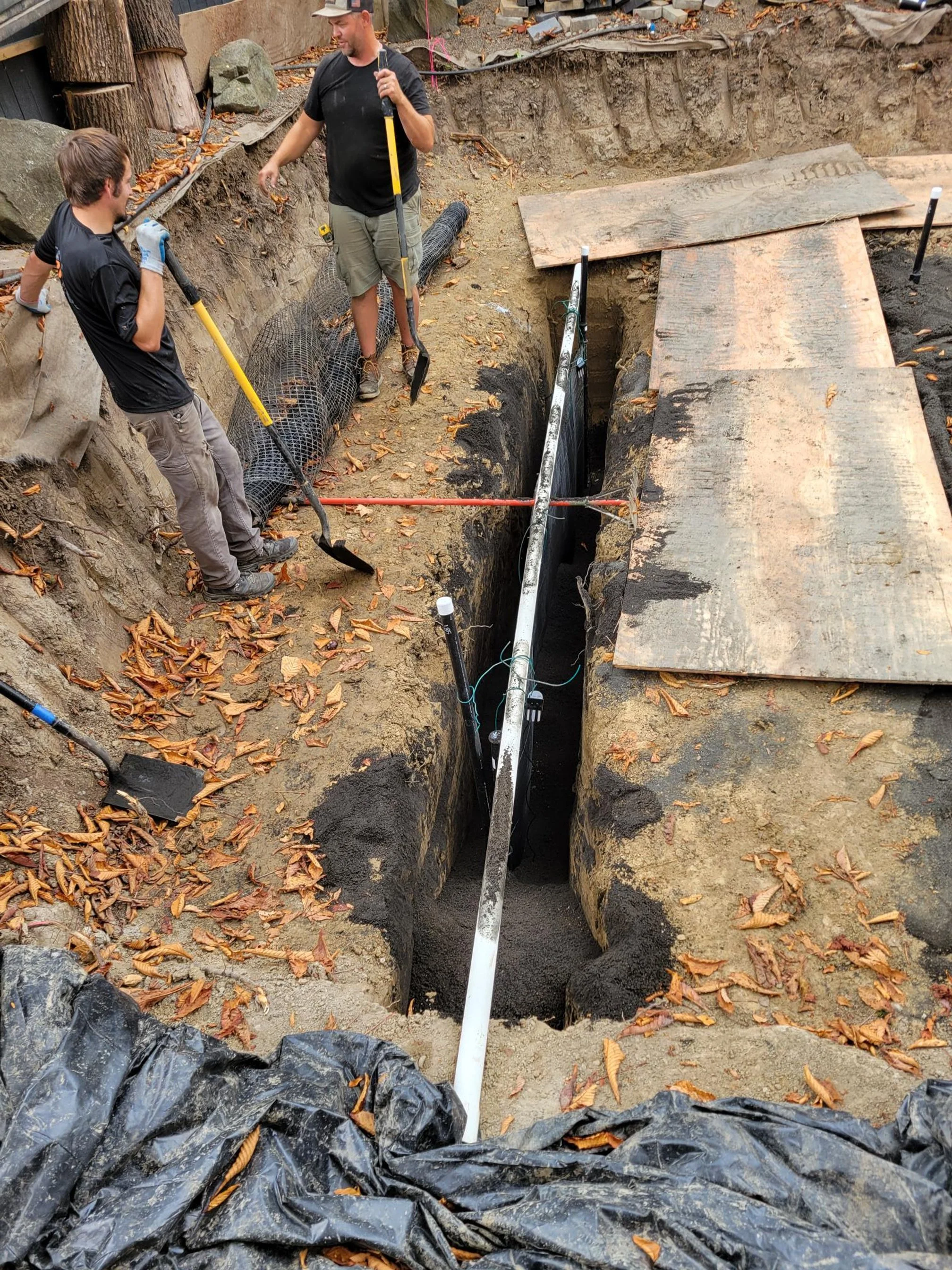
Residential
Turn-key solutions for new construction and retrofits.
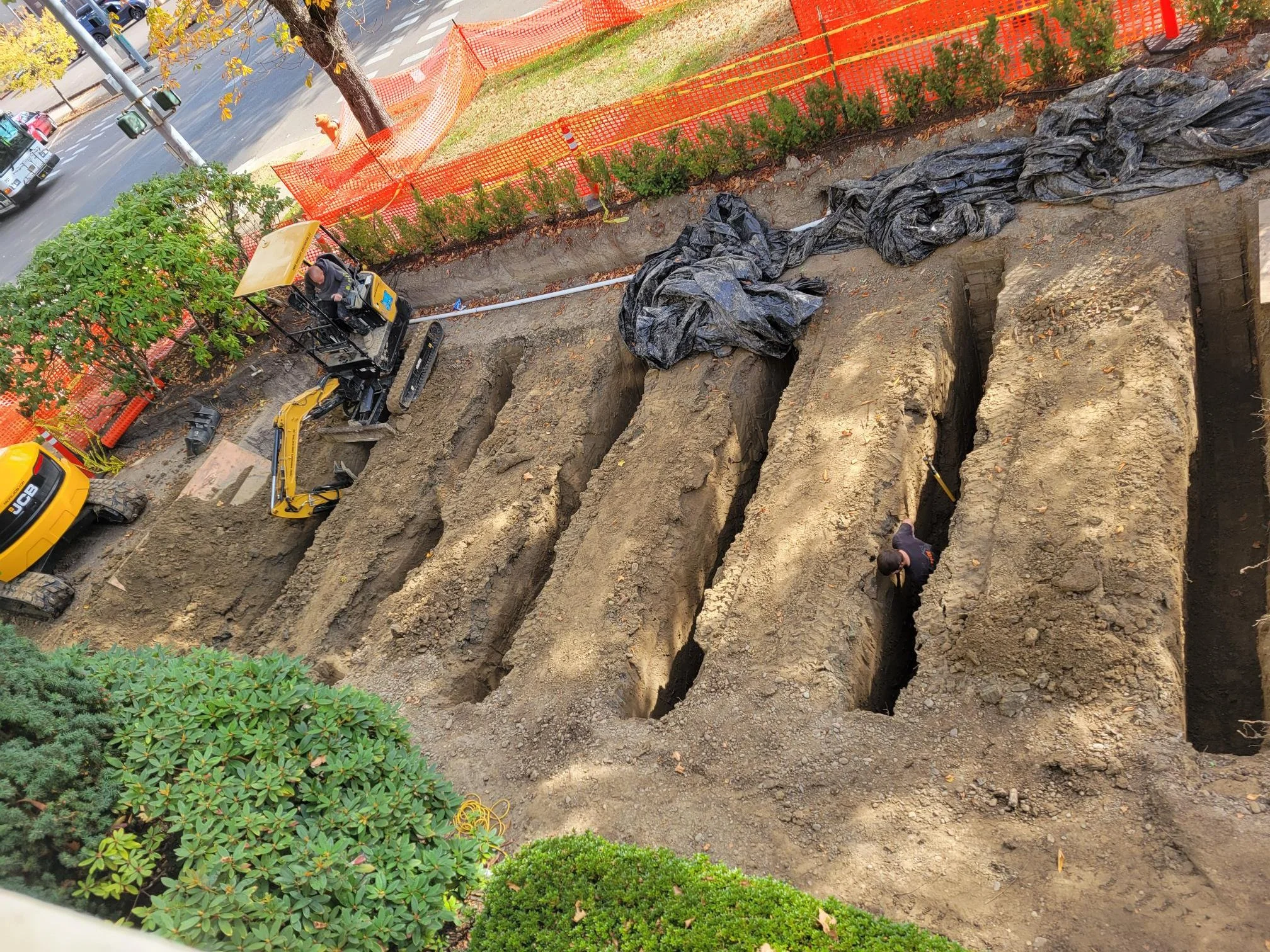
Commercial
Full construction management rge-scale commercial projects.
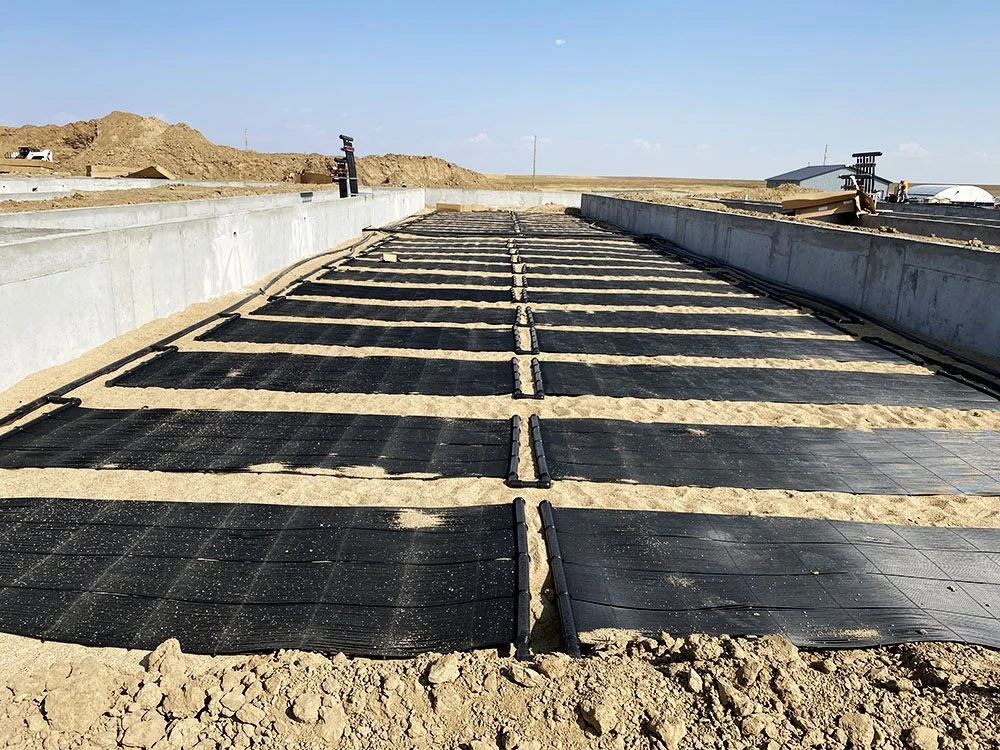
Controlled Environment
Bespoke solutions for controlled environment agriculture projects.
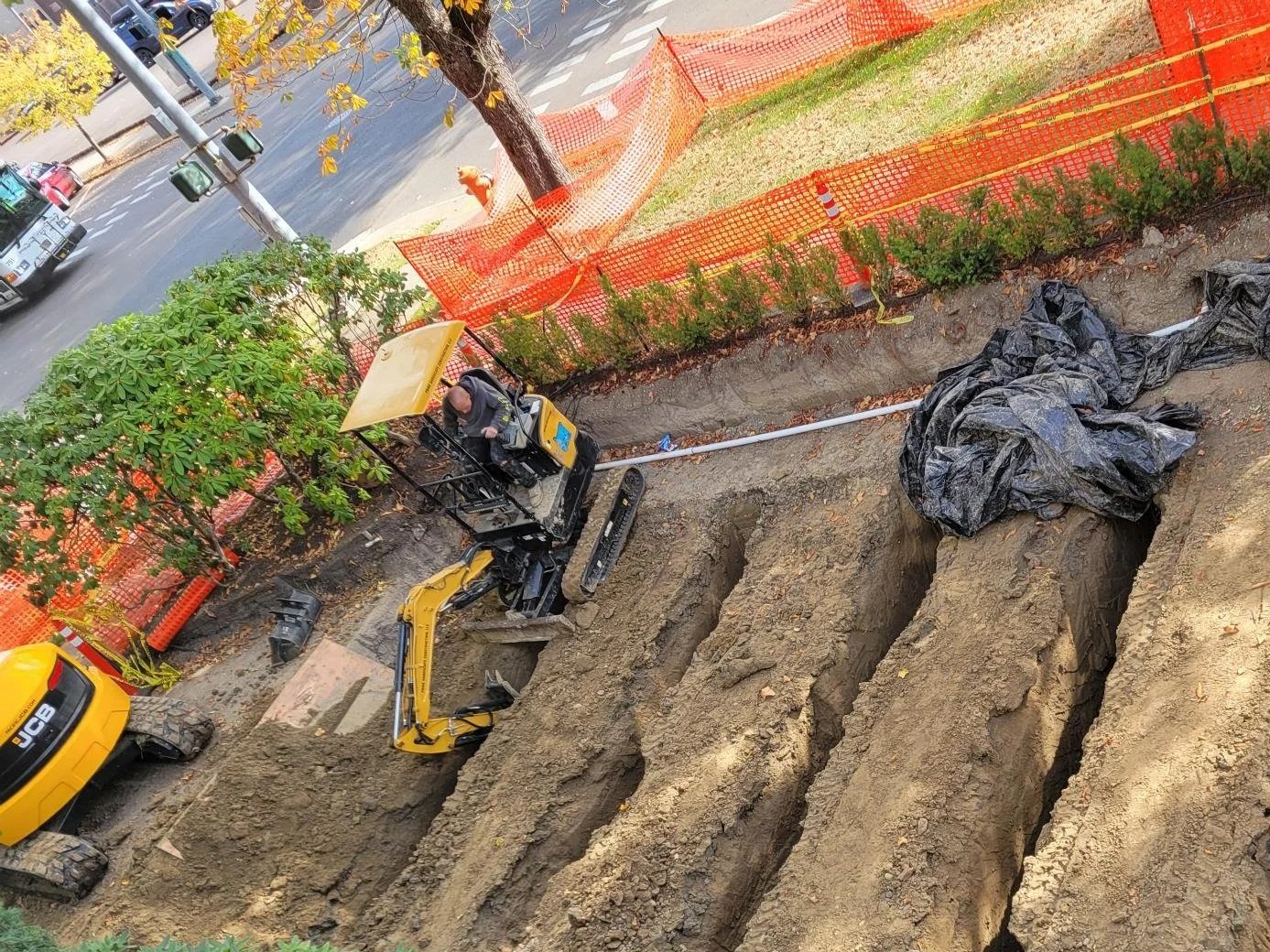
No Drilling Rig Required
-
ModuLoop heat exchangers enable geothermal heat transfer without the costs and equipment required to to bore hundreds of feet into the earth.
-
Whether it’s negative 40°F to 120°F outside, ground-source heat pump systems maintain their efficiency by relying on the stable temperatures under our feet.
-
Geothermal heat pump systems are the most energy efficient and low-maintenance system for heating and cooling any building. HR-1 continued support for geothermal heat pump systems until 2032 offering tax credits equivalent to 50% of the entire system value dramatically improving payback periods.
-
Ground-source heat exchange systems are capable of providing highly efficient heating, cooling, and water heating. They can also provide simultaneous heating and cooling increasing comfort and efficiency.
-
Ground-source heat exchange systems use all-electric water-source heat pumps. They can be powered by on-site solar energy and backed-up by battery and/or generators.
-
Ground-source heat pump systems can be installed in single family homes or scaled up as part of a thermal energy network with multiple buildings of any type.

Did You Know?
GeoExchange Heat Pump Systems Are Better For The Grid
A 2023 analysis from Oak Ridge National Laboratory (ORNL) and the National Renewable Energy Laboratory (NREL) assessed the potential impacts of national-scale mass deployment of geoexchange heat pump systems. It found that if deployed alongside weatherization in 70% of US buildings, it would displace 593 TWh (Tera-Watt Hours) of electricity generation annually and avoid seven gigatons of carbon-equivalent emissions by 2050.
We believe hydronic heat pump systems make the large scale decarbonization of heat realistic and economically feasible.
Our ModuLoop heat exchanger is our way of removing one of the largest barriers associated with the installation of these systems.
