
ModuLoop
Horizontal and Vertical Trench Geothermal Heat Pump Systems

ModuLoop Heat Exchangers
-
The ModuLoop is a polymer heat exchanger made up of numerous thin-wall capillary tubes to form a flat mat that can be buried under ground, under structures, or submerged under water to provide heating, cooling and domestic hot water for residential, commercial and industrial projects.
-
ModuLoops are constructed out of the same high density polyethylene (HDPE) materials used in ground-source heat pump systems for years. The capillary tubes are SDR8 and the headers are SDR10.
-
Like the HDPE used in natural gas lines and ground-source heat pump systems for many years, ModuLoops have a life expectancy over 100-years. Yep, they’ll probably outlast the building they service!
-
Each ModuLoop is 12.5’ long x 4’ wide and has a surface area of approximately 131 square feet, roughly equivalent to what would be achieved with 1” SDR11 HDP
-
ModuLoops have a working pressure equal to 58 PSI @ 104°F and 30 PSI @ 140°F
-
ModuLoops are brand agnostic. Any water-source heat pump that has been configured for used with ground-source heat exchangers can be used with HyperLoops.
-
Upon receipt at the jobsite, each ModuLoop undergoes a 75 PSI air pressure test. Upon completion of the horizontal header piping, an additional 75 PSI air test is conducted. Prior to backfilling, a 75 PSI water test is conducted on the full system. The pressure drop across the system is observed through the completion of the backfilling and concrete floor pour if installed under a building’s footprint.
-
Biochar is a stable, carbon-rich material produced by heating organic biomass (like wood chips, agricultural waste, or manure) in a low-oxygen environment—a process called pyrolysis. It has a porous structure that enhances its ability to retain water and nutrients when added to soil.
Because of its high carbon content and resistance to decomposition, biochar sequesters carbon for hundreds to thousands of years, effectively removing CO₂ from the atmosphere.
Where Can ModuLoops Be Installed?
-

Under Structure
ModuLoops were designed to be installed almost anywhere, including underneath the building itself without comprising structural integrity or worry about leaks.
-

Horizontal
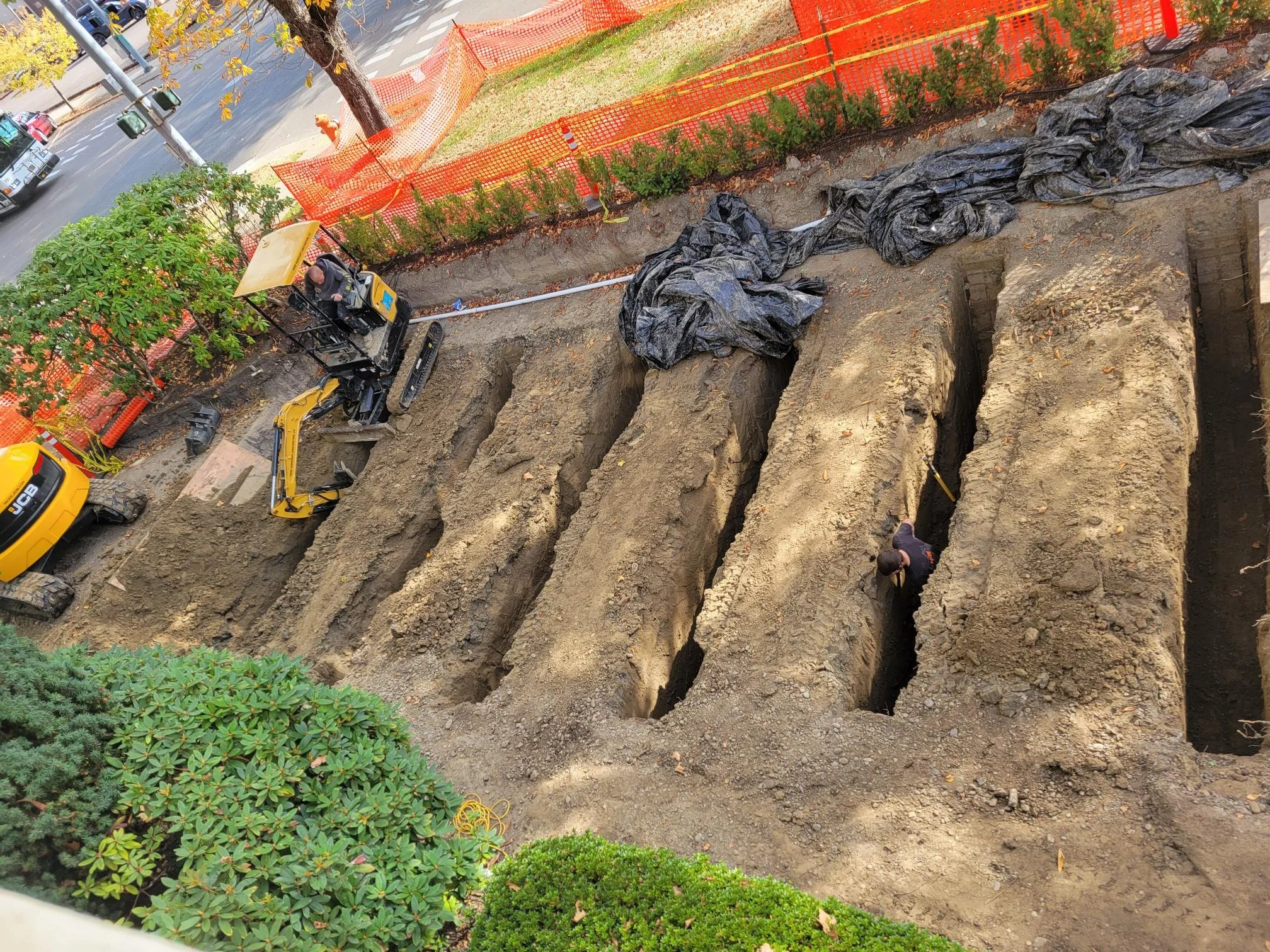
When space permits, ModuLoops can be installed horizontally under parking lots, driveways, yards - virtually any open space.
-
Vertical
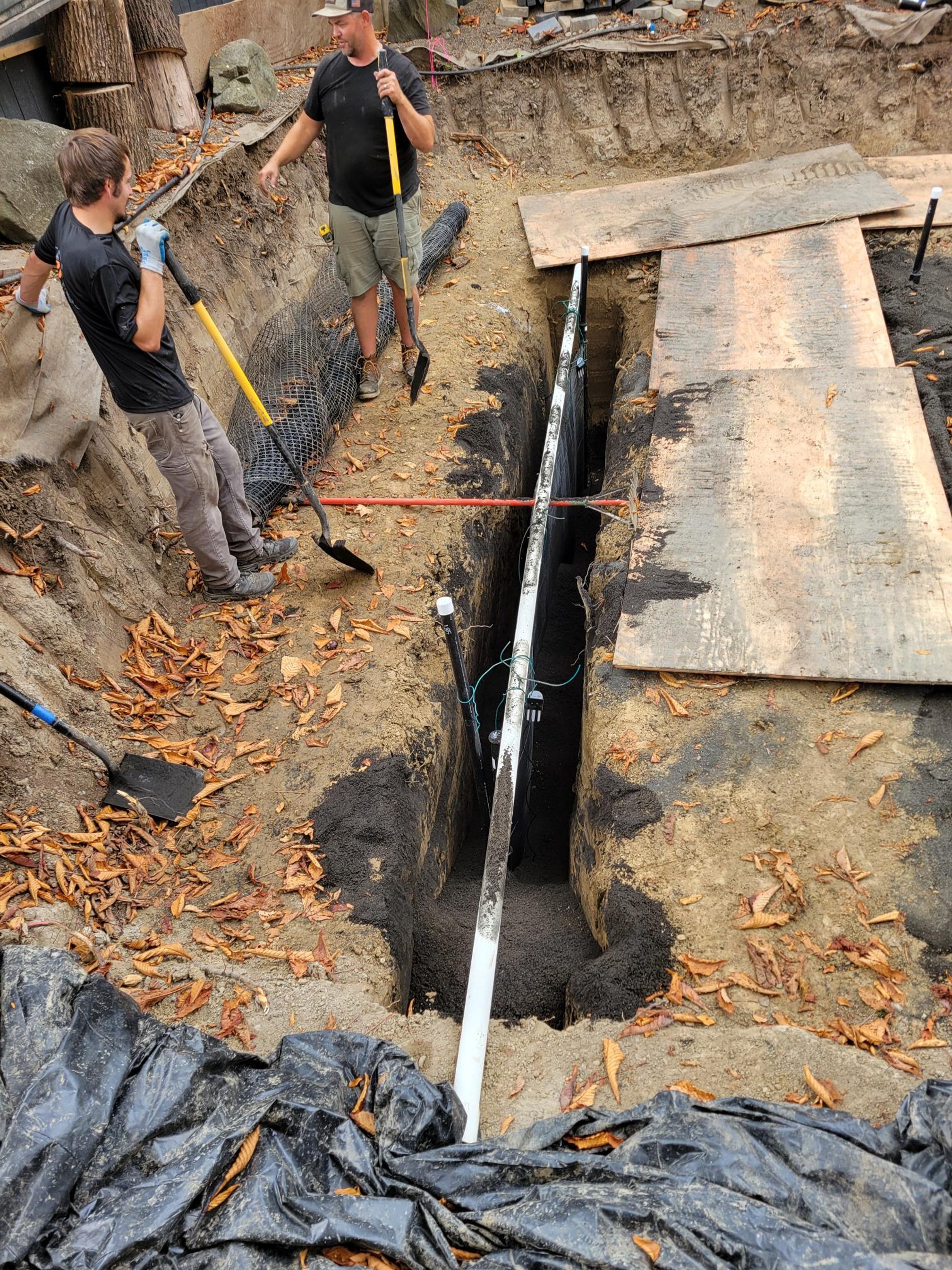
Great for retrofit applications and where space is limited, the ModuLoop can be installed vertically to maximize the usage of space surrounding existing homes and buildings.
-

Water
If there’s a pond or lake nearby, this is the easiest and most energy efficient method of using the ModuLoops
-

Porosity Storage
Similar to a water installation, we partner with the team at Porosity Storage to install the ModuLoops into their underground water storage reservoirs.

Biochar
Biochar is a stable, carbon-rich material produced by heating organic biomass (like wood chips, agricultural waste, or manure) in a low-oxygen environment—a process called pyrolysis. It has a porous structure that enhances its ability to retain water and nutrients when added to soil.
Because of its high carbon content and resistance to decomposition, biochar sequesters carbon for hundreds to thousands of years, effectively removing CO₂ from the atmosphere.
Combined with our ModuLoops in GeoExchange systems, biochar offers two key benefits:
Moisture Retention: When added to the backfill around geothermal piping, biochar helps retain groundwater near the ModuLoop. This improves thermal conductivity in the surrounding soil, enhancing system efficiency, especially in drier climates or soils with low moisture content.
Carbon Sequestration: Integrating biochar into the geoexchange system’s excavation process provides a net-negative carbon opportunity. While the heat pump system already reduces emissions by replacing fossil fuels, the use of biochar locks additional carbon in the ground, aligning with climate-positive building strategies.